What are the psychological effects of gambling addiction?
Understanding Gambling Addiction
Gambling addiction, often termed compulsive gambling, is a behavioral health disorder that grips individuals, dragging them into a whirlwind of psychological turmoil. Unlike casual gambling, where the individual retains control over their actions, compulsive gamblers are driven by an uncontrollable urge to wager money. This constant chase for the next win creates a cycle that complicates their mental health. The psychological effects of this addiction are profound, often leading individuals to experience heightened feelings of anxiety and depression as their gambling spirals out of control. best online pokies australia
The thrill of gambling can initially feel euphoric, as the brain releases dopamine, the pleasure chemical. However, with repeated gambling, this natural reward mechanism becomes increasingly desensitized. Gamblers may turn to riskier bets or more frequent play to achieve the same high, thus reinforcing the addiction and making it harder to escape this devastating cycle.

Furthermore, the pathway of gambling addiction highlights a significant concern in public health. As society becomes more accessible to various forms of gambling—online casinos, sports betting, lotteries—the number of individuals affected by this addiction continues to rise. Increased exposure can normalize gambling behaviors, leading more people to underestimate the risks associated with this addictive behavior. Educating the public about the psychological effects and dangers of gambling addiction is essential for prevention and treatment efforts.
Impact on Emotional Well-being
The emotional landscape of a person struggling with gambling addiction often becomes tumultuous and unpredictable. Many people experience a wide range of emotions, from elation during a win to devastating despair when losses occur. This rollercoaster of emotions can lead to significant mood swings, ultimately impacting personal relationships and work life. Families often bear the brunt of this pain, as trust erodes and communication breaks down.
Moreover, feelings of guilt and shame can plague individuals caught in the grip of gambling. These negative emotions may drive them further into isolation, causing them to withdraw from friends and loved ones. This withdrawal can lead to a lack of support, exacerbating their struggles and leading them deeper into despair.
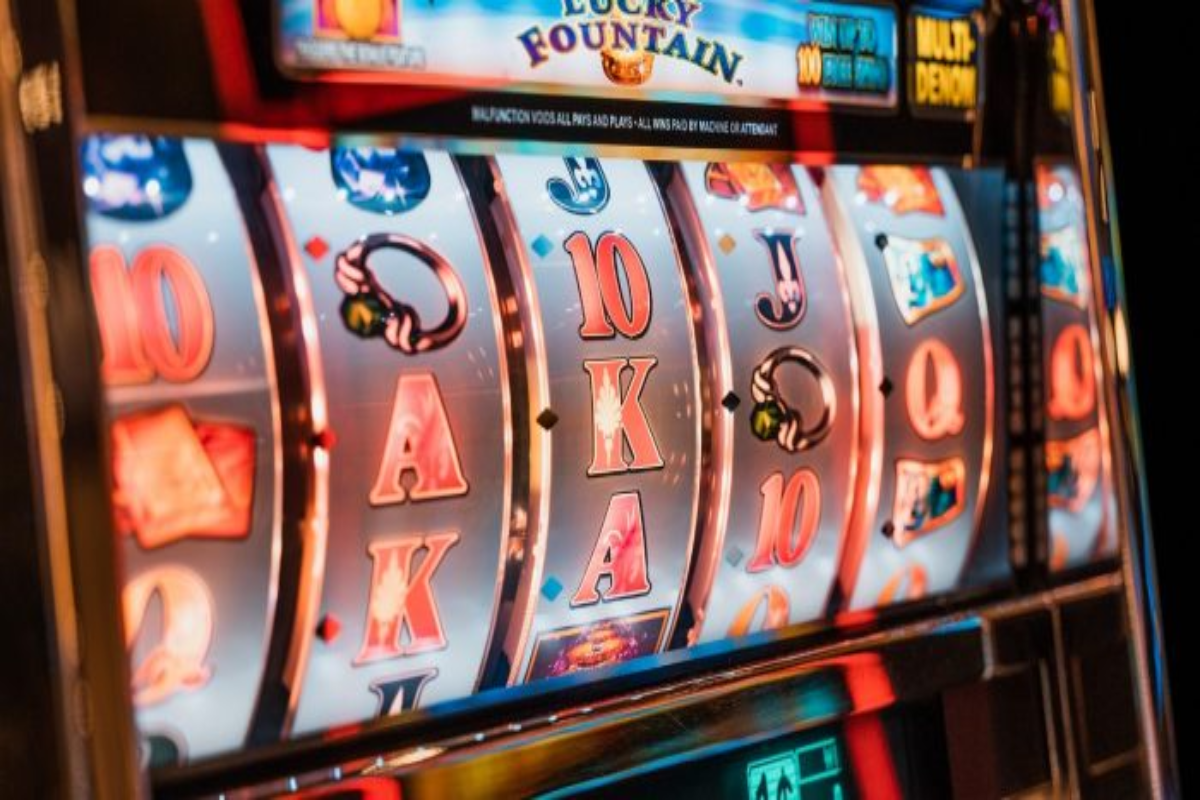
In addition to emotional pain, the internal battle of shame and secrecy surrounding gambling could lead to self-destructive behaviors. Individuals may engage in compulsive lying or manipulation to hide their gambling activities, which can alienate them even further from their social network. Seeking help becomes increasingly complicated as they grapple with the stigma often associated with addiction.
Effects on Relationships
Relationships often suffer greatly due to the consequences of gambling addiction. Trust issues arise when significant others discover hidden debts or financial struggles caused by the compulsive bettor. Arguments and retribution can spiral out of control as family dynamics are strained, making it challenging for both partners to find common ground.
Additionally, children may feel the repercussions of a parent’s gambling habits. They can experience emotional neglect, abandonment, or even financial instability due to debts incurred by gambling-related losses. This long-lasting effect can hinder their emotional growth and sense of security, resulting in complex patterns of behavior that persist into adulthood.
Collaborative support can be invaluable in rebuilding relationships strained by addiction. Family therapy or counseling can provide a safe space for communication and healing, helping everyone involved to understand the addiction and its effects better. Establishing trust anew may take time, patience, and commitment from all parties, but recovery is possible.
Financial Consequences and Stress
The financial implications of gambling addiction are often dire, impacting not only the gambler but also their entire support system. The need for quick cash can lead individuals to take out loans, max out credit cards, and make rash financial decisions. This financial stress can amplify anxiety and create a vicious cycle of more desperate betting in hopes of recovering losses.
Many gamblers may also resort to illegal activities to fund their addiction, exposing themselves to legal troubles and further exacerbating their psychological distress. The relentless worry about money can introduce chronic stress, leading to physical health problems like headaches, digestive issues, and even heart problems, further complicating their path to recovery.
A critical aspect of addressing these financial strains involves financial counseling and education. Understanding how to manage finances and seek support can significantly alleviate stress. Developing a budget and setting realistic financial goals can help individuals regain a sense of control over their lives, which is crucial for recovery.
Seeking Help and Understanding Recovery
Finding help for gambling addiction is critical to restoring mental health and reclaiming one’s life. Professional counseling, support groups, and rehab programs can provide the necessary guidance and tools for recovery. Cognitive-behavioral therapy, in particular, has shown promising results in changing thought patterns and behaviors associated with gambling.
A critical element in recovery is understanding that gambling addiction often coexists with other mental health issues, such as depression or anxiety. Support from loved ones can play a pivotal role in overcoming the psychological effects of this addiction, allowing individuals to rebuild their lives and foster relationships that were once strained.
Support groups, such as Gamblers Anonymous, offer a community of shared experiences that can significantly influence one’s journey to recovery. Connecting with others who have faced similar struggles can reduce feelings of isolation and increase motivation to make positive changes. Ultimately, recognizing that recovery is a journey, not a destination, empowers individuals to take gradual steps towards restoring their well-being and that of their loved ones.
