The Illusion of Control
One of the most powerful psychological tricks casinos employ to keep players engaged is the illusion of control. This phenomenon occurs when players believe they can influence the outcome of a game, even in games of pure chance, such as slot machines or roulette. For instance, when players pull the lever on a slot machine, they might feel as though their actions directly impact the result, despite the fact that these machines operate on random number generators. To truly grasp these concepts, you can get more insights here into how psychological factors affect gambling behaviors.
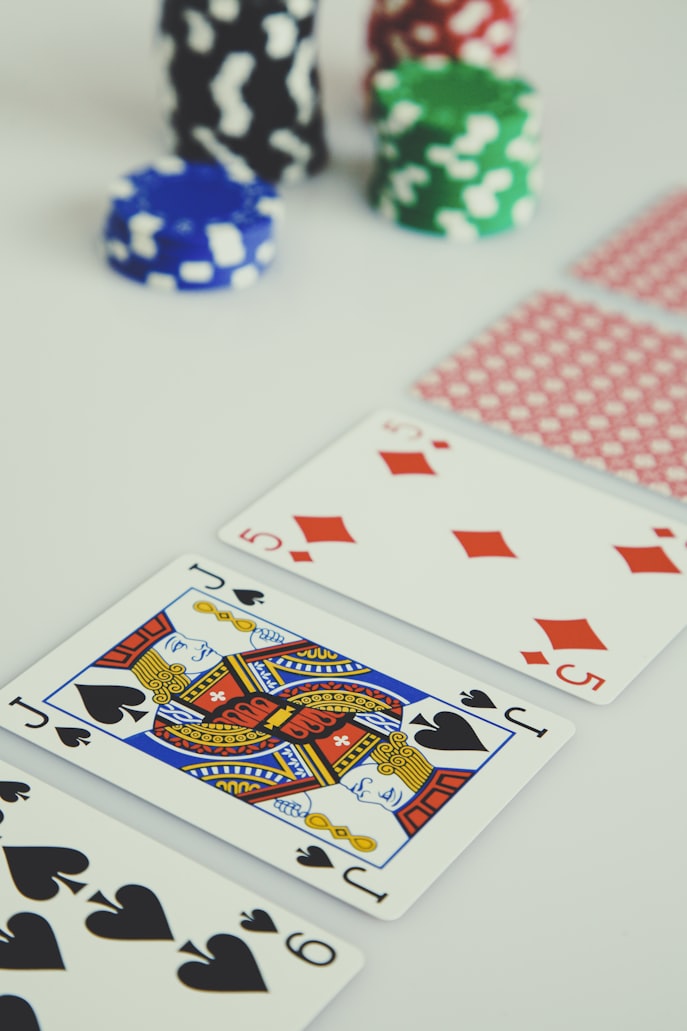
This sense of control encourages players to keep trying, convinced that their next pull could yield a jackpot. Such beliefs fuel ongoing play as individuals become emotionally invested, viewing their experience as an interactive challenge rather than a mere gamble.
The Power of Near Misses
Casinos skillfully use the concept of near misses to enhance player engagement. A near miss happens when a player almost wins, such as landing two out of three matching symbols on a slot machine. This close call generates a rush of excitement and can lead players to feel that they were just unlucky, prompting them to continue playing in hopes of achieving that elusive win.
Research has shown that near misses can be more motivational than actual wins because they can create a heightened sense of anticipation. Players often rationalize their losses, believing they are closer to victory, which leads to prolonged play and increased spending as they chase that next win.
The Role of Environmental Cues
The design and atmosphere of a casino play crucial roles in influencing player behavior. Casinos are intentionally constructed to be visually stimulating and disorienting, featuring bright lights, vibrant colors, and enticing sounds. This sensory overload keeps players engaged, often making it hard for them to gauge the passage of time.
Moreover, the absence of clocks and the layout of gaming areas encourage players to lose track of time, immersing them deeper into the gaming experience. This environmental manipulation effectively keeps players seated at their machines or tables for longer periods, significantly increasing the likelihood of spending more money.
The Impact of Rewards and Reinforcement
Casinos utilize a sophisticated rewards system to reinforce player behavior. Players receive various incentives, including loyalty points, free drinks, and complimentary meals as a way to encourage continued play. These rewards create a psychological reinforcement loop where players feel appreciated and valued, thus more likely to keep gambling.
Furthermore, the intermittent nature of rewards means that players never know when they might hit a winning streak or receive a valuable perk. This unpredictability can create a compelling cycle similar to the reward mechanisms found in gambling itself, further ensuring that players remain engaged and willing to risk more money in hopes of greater rewards.
The Importance of Understanding Casino Strategies
Recognizing the psychological tactics employed by casinos can empower players to make informed decisions. Understanding how casinos manipulate emotions and perceptions can help individuals approach gambling with a more critical mindset. This knowledge ensures that players can enjoy gaming entertainment without falling prey to these psychological traps.
While the thrill of the game may be alluring, being aware of these strategies can encourage responsible gambling. For those seeking more information on how to navigate the world of casinos and gambling, exploring various resources can provide valuable insights and tools, promoting a more balanced approach to gaming experiences.
